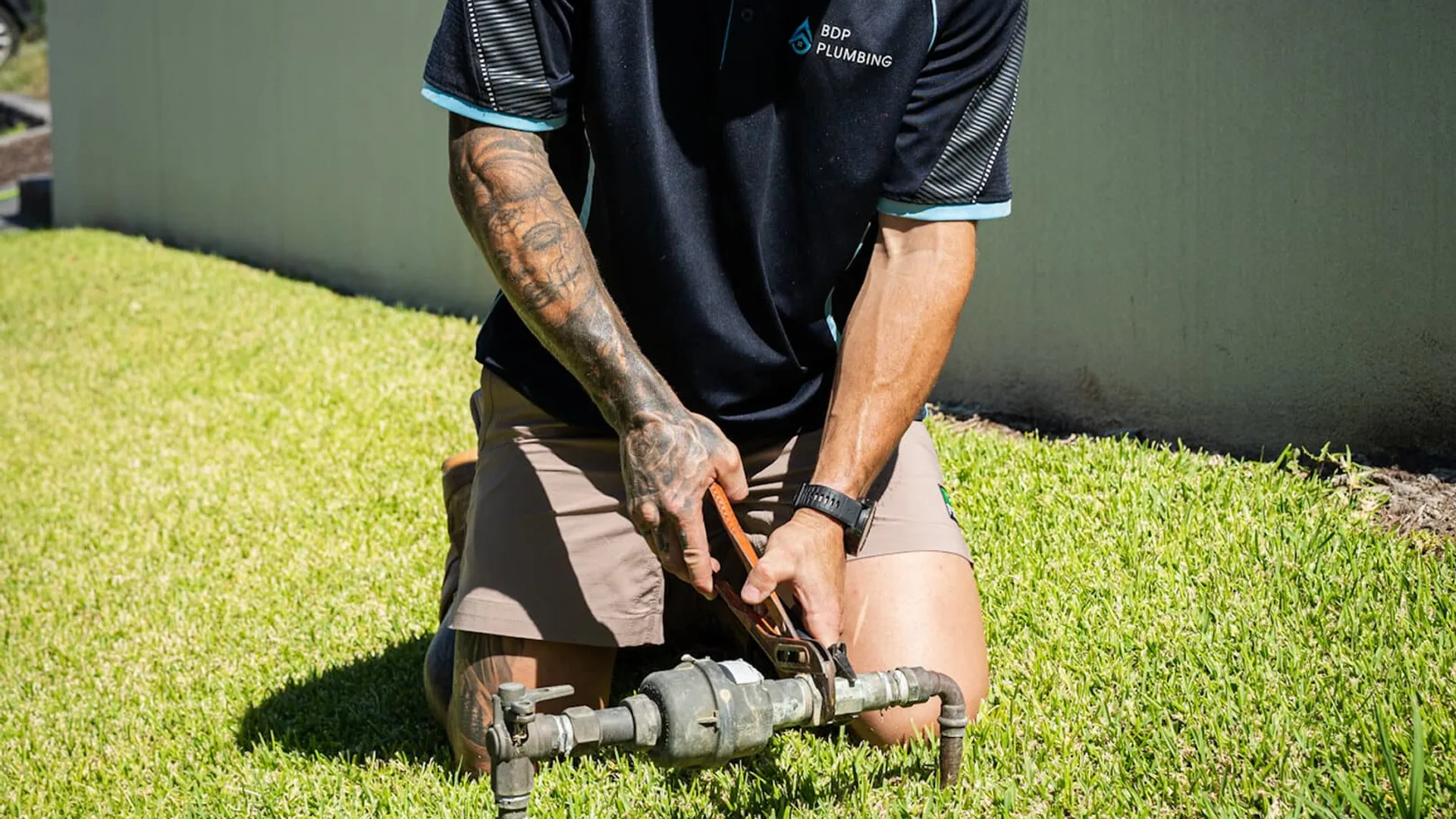
General Plumbing in Woodberry
Leak Detection Woodberry
Water showing up with no visible source needs a proper hunt, not a guess and a patch. We trace hidden leaks across Woodberry with acoustic listening, pressure testing and meter checks, then repair whatever the hunt turns up.
The general plumbing hub covers the full everyday stream. This page explains how a leak hunt works and what to expect on the day.
Signs a Leak Is Hiding Somewhere
Some leaks shout, most whisper. The quiet ones look like something else entirely:
- A water bill that climbs without any change in how the household uses water
- Hot spots on a concrete floor, where a hot water line has split underneath
- The sound of running water when every tap, appliance and toilet is off
- Paint or plaster that keeps bubbling in one spot, no matter how often it's repainted
- Mould or a musty smell in a room that never gets wet
- A meter dial creeping forward while the house sits empty
Any one of these justifies a look. Two or more together mean the hunt should start this week, because the damage grows the whole time water keeps moving.
How a Leak Hunt Actually Works
Opening the wrong wall costs more than finding the leak properly first. The sequence runs from least invasive to most:
- 1
Meter test
Isolate the property and watch the meter. Movement with everything off confirms a leak on your side and rules out the street main.
- 2
Pressure testing
Each line gets isolated and pressurised. The line that drops is the line that leaks, which cuts the search area down immediately.
- 3
Acoustic listening
Sensitive equipment hears the sound water makes escaping a pipe, through concrete, soil or a wall cavity, and pinpoints the spot.
- 4
Targeted access and repair
Only then does anything get opened, exactly where the evidence points, with the repair quoted before a tool comes out.
If the hunt points to a drain rather than a water line, CCTV drain inspections show the break on screen instead of leaving it to sound alone.

Finding Leaks on Swamp Ground
The damp-patch trap.
The dispersal problem.
Why testing wins.
What an Unfound Leak Costs
The bill first.
Then the structure.
Where Pipes Fail Around Here
The housing stock shapes the leak list, and three patterns dominate.
Original copper.
Reactive clay.
Newer estates.
Leak Types We Find
Every hunt ends at one of a handful of culprits:
Pressure line leaks
Slab leaks
Wall cavity leaks
Sub-floor leaks
Hot water line leaks
Irrigation and outdoor lines
The Process
- 1
Call and tell us
Ring (02) 4063 3455 and tell us what's going on in Woodberry. We'll ask a few quick questions so the right gear is on the truck the first time.
- 2
Quote before work
You get the price before anything starts. No call-out fee, no hourly surprises, you approve the quote or we shake hands and leave, no charge.
- 3
The hunt
Meter test, pressure test, acoustic listening: the sequence narrows the search until the leak is pinpointed, then we show you what we found before any access is opened.
- 4
Backed, no questions asked
If something isn't up to standard afterwards, we come back and make it right, no questions asked. That's the standard every Woodberry job is held to.
Why Locals Keep Our Number
Nothing to get us here
The price lands first
Licensed hands on the gear
Fixed properly, or we return
The same hunt runs on the estate streets and the rural-residential blocks alike. If a find turns out to need wider work, residential plumbing covers the bigger repair jobs, and a meter-side issue routes through water meter installation.
Leak Detection Questions, Answered
How do you find a leak behind a wall without ripping the plaster out?
Acoustic listening gear hears water escaping inside the cavity, and moisture meters narrow the zone first. Only the section of wall needing access gets cut, and we flag where beforehand.
Can I check for a leak myself before booking a call?
Yes. Turn every tap and appliance off, read your water meter, then leave everything off for an hour and read it again. Movement with nothing running means water is escaping.
Why is my yard always damp when I haven't watered it?
On the low floodplain ground here, the water table sits shallow enough to keep soil damp on its own. Pressure testing and a meter check separate groundwater from a weeping pipe.
What does leak detection cost?
Every job starts with the $0 call out and a quote in writing before any work begins. The figure depends on how deep the hunt goes; most finds wrap up in one visit.
Do you fix the leak once you find it?
Yes. The same licensed plumbers who run the hunt handle the repair, usually in the same visit. If the fix turns out bigger than expected, you get the quote before anything proceeds.
Are leaks under older houses harder to find?
Weatherboard and fibro places often run pipework through sub-floor space, which is easier to reach than a slab. The runs can be long and patched over decades, so tracing takes patience.
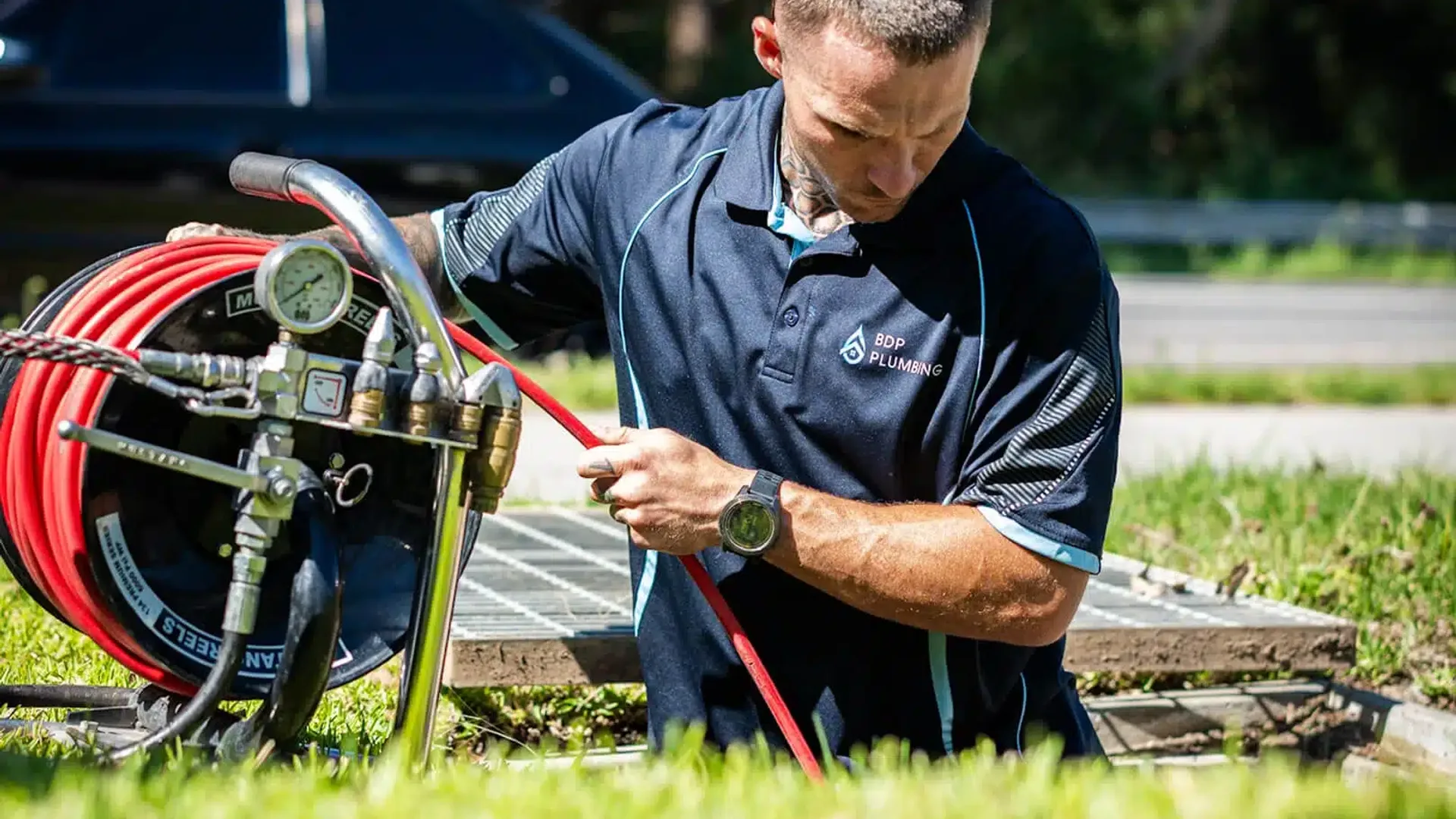
Plumbers in Woodberry and the suburbs around it
Book the Hunt
Call (02) 4063 3455 and tell us what's happening. $0 call out across Woodberry, a clear quote before any work starts, and a job that gets made right if it isn't right the first time.